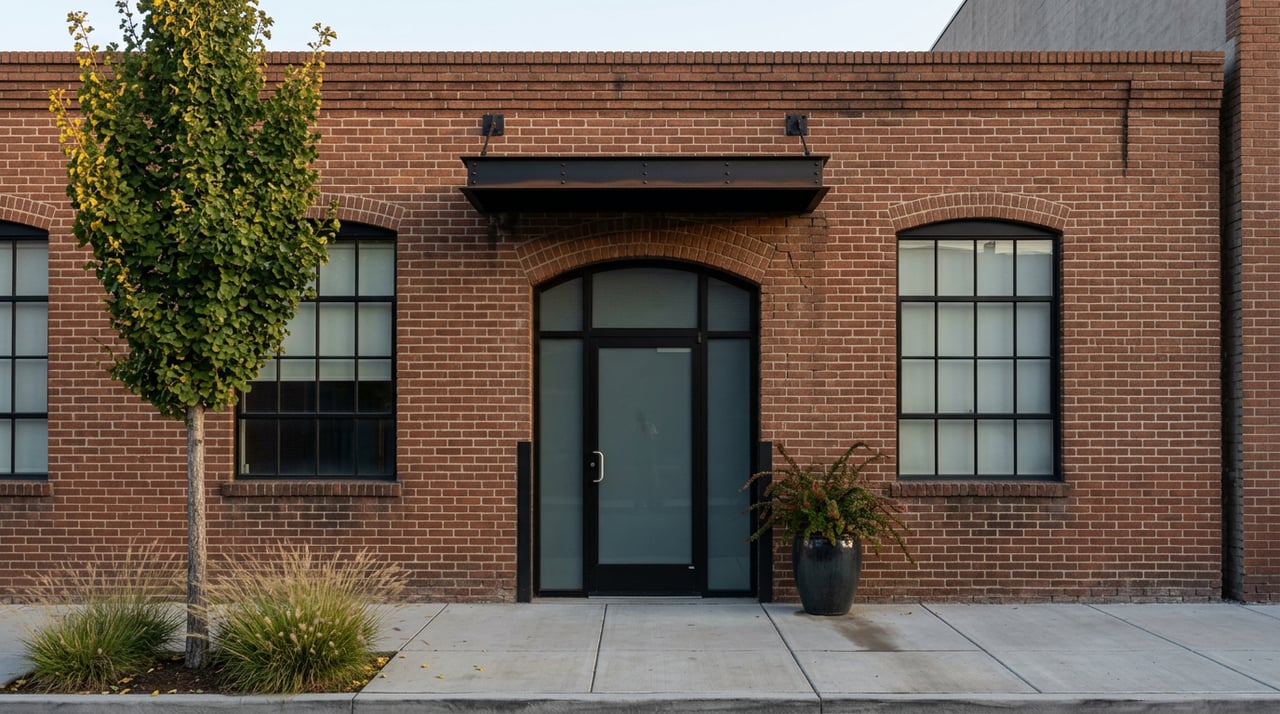
West Loop's Condo Prices Are Being Set by Its Office Towers, Not Its Restaurants
August 20, 2026
August 20, 2026
Most people shopping for a West Loop condo this year have already absorbed the same story: Randolph Street's restaurant scene, the walk to Fulton Market, the low-slung timber lofts trading up against new glass towers. It is a true story. It is also not the one that explains why prices in this pocket of Chicago keep resetting higher while office buildings across the rest of downtown sit half empty.
The real driver is sitting in a JLL leasing report most buyers never open. Fulton Market's office vacancy rate is running just under 15 percent, according to the second-quarter data Bisnow reported in late July 2026. That is the lowest of any downtown Chicago submarket. Compare that to the East Loop, where vacancy sat at 28.7 percent at the end of 2025, or River North at 25 percent, both figures from Chicago Sun-Times reporting published in February 2026. Everywhere else downtown, employers are shrinking their footprint. In Fulton Market, they are signing decade-long leases in buildings that have not broken ground yet.
The clearest signal came in June 2026, when Sidley Austin agreed to anchor Related Midwest's planned 45-story office tower at 725 W. Randolph St., the first major speculative office building to move toward groundbreaking in Chicago in several years, per Bisnow's reporting. A law firm does not sign onto a tower that has not been built unless it is confident the neighborhood around it will still be worth showing up to in 2030.
That confidence has company. In February 2026, a joint venture between Fulton Street Cos. and Shanna Collective, the design and development firm founded by Jacksonville Jaguars co-owner Shanna Khan, opened an 11-story, 535,000-square-foot office building called The Fulton, a $350 million project that landed in a market where almost nothing else was being built on spec, according to the Sun-Times account. Fulton Market's asking rents have followed the same logic. They average around $72 per square foot, well ahead of River North's roughly $53, Bisnow reported, citing Vista Property Group principal Hymie Mishan's blunt read on why: there are only a few Chicago submarkets left where "the rents actually support the higher costs."
That is the mechanism. Condo buyers are not paying a lifestyle premium in isolation. They are paying for proximity to one of the only office markets in the city where employers are still making multi-decade bets.
| Downtown Submarket | Office Vacancy | Period |
|---|---|---|
| Fulton Market | Under 15% | Q2 2026 |
| River North | 25% | Q4 2025 |
| East Loop | 28.7% | Q4 2025 |
The clearest place to watch this play out is at the top of the market, where Chicago-based developer Sulo Development is chasing a record it already holds. Sulo's Embry, at 19 N. May St., set the current benchmark for condos west of the Kennedy Expressway when its penthouse sold for $7.6 million, according to The Real Deal's reporting from late February 2026. That number matters more once you see the context around it. In the past five years, only 18 Chicago condos have sold for $7 million or more, and 17 of those closings happened east of Clark Street, mostly within blocks of Lake Michigan. Embry was the lone exception.
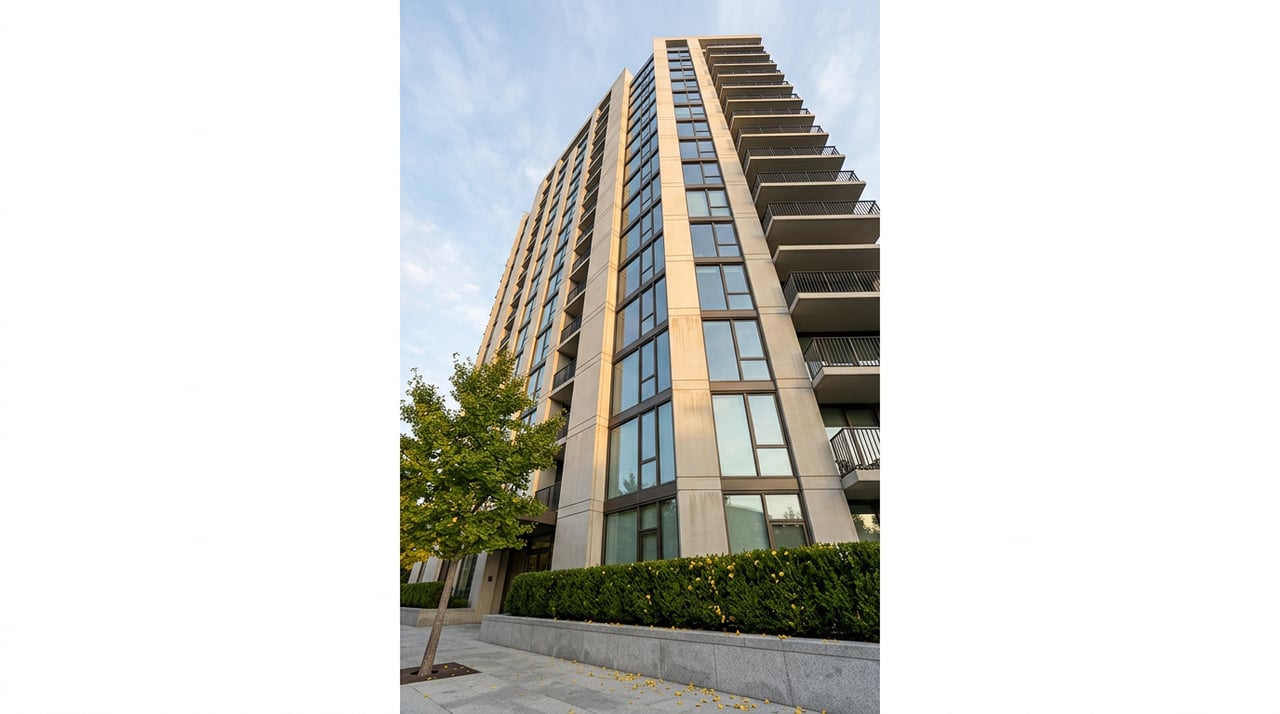
Sulo is betting that exception was not a fluke. Its follow-up project, Fulton Bond, is rising at 1325 W. Fulton St. on a 1.7-acre site the firm bought for $29.9 million in October 2024. The plan calls for two towers, a 23-story building with 60 units and a 33-story tower with 89, designed by Kohn Pedersen Fox, the firm behind 333 W. Wacker and 311 S. Wacker. Two penthouses in the project are priced above $7.6 million, aiming to beat Sulo's own record, and the sales center opened in late February 2026. If those units close anywhere near ask, Fulton Market will have added two more entries to a list of 18, both of them west of the river corridor that has historically owned Chicago's ultra-luxury condo market.
None of that pricing makes sense without the office story sitting underneath it. Developers do not build $7 million penthouses in a neighborhood they think employers are abandoning. The Sidley Austin lease and the Fulton Bond sales center opened within months of each other, and that timing is not a coincidence buyers should ignore.
If you are not shopping in the $7 million range, the office story still shapes what you get for your money, just at a different altitude.
West Loop's price per square foot has been running around $408 in the first part of 2026, well above the citywide figure of $308 for all Chicago home types over the three months ending in June 2026. That gap is real, and the Loop itself, the traditional downtown core, has been averaging closer to $442 per square foot in that same Q1 2026 stretch. West Loop is not the most expensive downtown address. It is the one where the price premium is being built on the newest foundation.
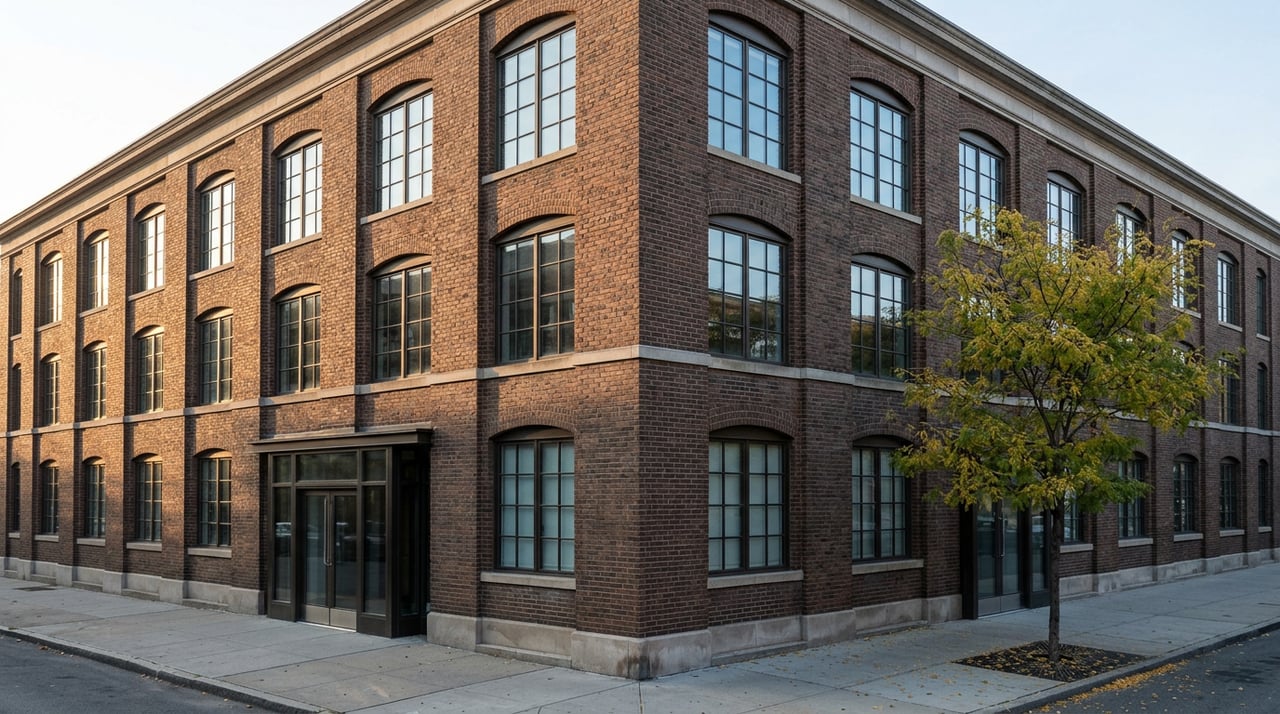
Inside the neighborhood, the split that matters most is not Fulton Market versus everywhere else. It is proximity to the employment corridor versus distance from it. Blocks closest to Randolph and the Fulton Market office cluster carry the steepest premiums and the newest full-amenity buildings, where monthly assessments commonly run $500 to $1,200 depending on size and services. South of Madison, the neighborhood turns quieter and more residential, with a higher share of true loft conversions and the occasional townhome, and pricing there tends to reward character over convenience. A true timber loft with exposed brick and heavy timber beams often has more square footage per dollar than a comparable new-construction unit, but older mechanical systems and building-specific HOA rules can complicate financing, particularly if a lender's warrantability review flags occupancy mix or reserve levels.
Entry-level one-bedroom condos have generally been listing in the upper $300,000s to mid $400,000s this year, two-bedrooms in newer buildings between roughly $650,000 and $1 million, and penthouse-level units and three-bedrooms in luxury towers regularly trading above $1.5 million. Buyers comparing those bands should treat the building's financials, not just the finishes, as part of the price. A kitchen renovation does not offset a building with thin reserves or a heavy rental-to-owner ratio, and that detail matters more here than in most Chicago submarkets because so much of the neighborhood's value case rests on continued institutional confidence rather than pure scarcity.
Not every office story in Fulton Market points the same direction, and a full picture includes the exception. In May 2026, a half-acre Fulton Market site that had been entitled for an office tower came back on the market after that deal collapsed, with brokers pitching the parcel to housing developers instead, according to Hoodline's reporting. That is not evidence the office thesis is wrong. It is evidence the market is getting more selective about which office bets it will fund, favoring trophy projects with anchor tenants like Sidley Austin over speculative towers without one. For residential buyers, that selectivity is actually good news. It means the capital that used to chase speculative office space in this corridor is increasingly willing to chase housing instead, which helps explain both Fulton Bond's confidence and the broader inventory pressure buyers are feeling across the neighborhood this year.
The neighborhood's condo prices were never just a story about brunch and Restaurant Row. They are a story about which employers are willing to sign a 15-year lease in a building that has not been built yet, and what that signals about the ten years after you close on your unit.
If you are trying to figure out whether a specific West Loop building sits inside that confidence zone or outside it, that is exactly the kind of building-by-building read worth getting before you write an offer. Rhonda Hoff works this market building by building, not just block by block, and can walk you through what a specific address's HOA financials, assessment history, and micro-location actually say about where its resale value is headed. Let's Connect.
Stay up to date on the latest real estate trends.
Rhonda is committed to providing exceptional service, personalized attention, and delivering outstanding results. Contact her today to get started on your journey toward finding your dream home, selling your property, or securing the perfect rental in Chicago.