South Loop Living: Culture, Lakefront Access, And Loft Style
May 7, 2026
May 7, 2026
If you want a Chicago neighborhood that feels connected to the city’s energy without losing its own identity, South Loop stands out. You may be looking for lakefront access, a home with character, or an easier path to downtown living that still feels residential. The good news is that South Loop brings those pieces together in a way few neighborhoods do. Let’s take a closer look.
South Loop is one of Chicago’s first residential areas, and its modern identity reflects that long history of change. Today, the neighborhood is shaped by major landmarks and districts including Museum Campus, Motor Row, Prairie Avenue, and Soldier Field.
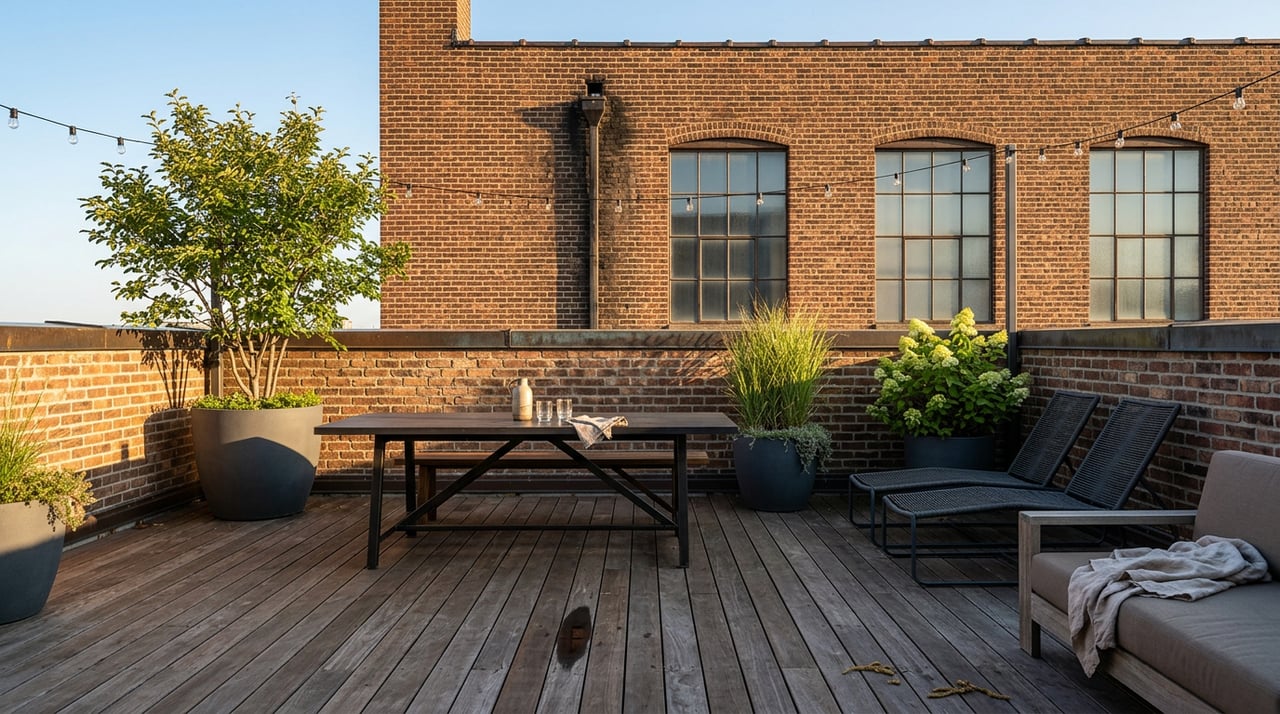
That mix gives South Loop a distinct feel. You can see older industrial and railroad-era buildings alongside newer residential towers, all within a neighborhood that stays close to downtown convenience. The result is a place that feels layered, active, and highly livable.
One of South Loop’s biggest strengths is how closely culture is woven into the neighborhood. This is not an area where arts and attractions sit far away from residential life. They are part of the everyday backdrop.
Museum Campus sits at the southeast end of Grant Park and includes the Adler Planetarium, Field Museum, and Shedd Aquarium. The Chicago Park District identifies it as a 57-acre addition to Grant Park, which makes it a major part of the neighborhood’s lakefront footprint.
For residents, that means world-known institutions are not just destinations for visitors. They are part of the local landscape, adding open views, event activity, and a strong civic presence near home.
South Loop also brings a strong arts identity beyond the museums. The Wabash Arts Corridor features around 20 large-scale murals across a seven-block stretch and is recognized by Choose Chicago as one of the city’s largest concentrations of public art.
The neighborhood’s music story adds another layer. Spots like Buddy Guy’s Legends and the Chess Records site on South Michigan Avenue reinforce South Loop’s blues and jazz connections, giving the area cultural depth that extends past major attractions.
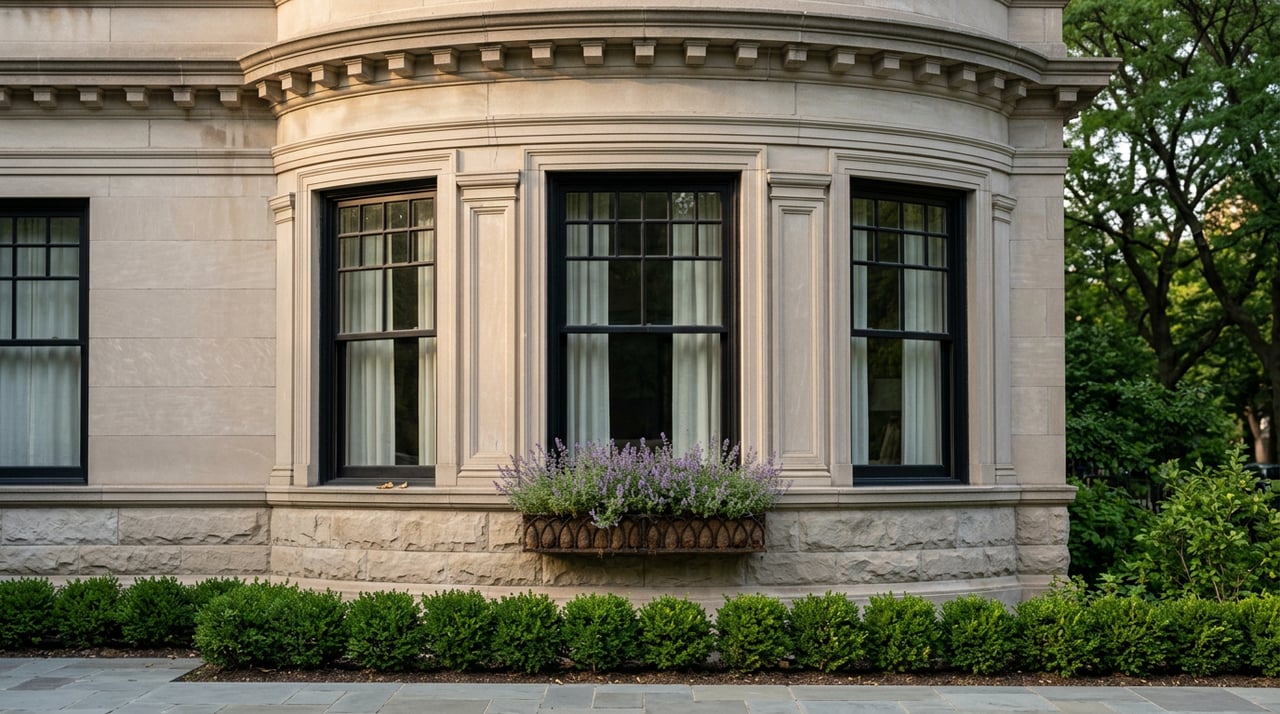
Historic districts help shape the visual experience of the neighborhood. Motor Row was once home to more than 100 auto dealerships and now functions as an entertainment district, while Prairie Avenue is known for landmark homes such as Glessner House and the Clarke-Ford House Museum.
Together, these areas create a streetscape that feels varied and memorable. In a relatively compact area, you can move from mansions and churches to murals, industrial buildings, and glass towers.
For many buyers, South Loop’s connection to the lakefront is a major draw. It is one thing to say a neighborhood is near the water. It is another to live somewhere where the trail, parks, skyline views, and museum grounds are part of your normal routine.
Chicago’s Lakefront Trail is an 18-mile paved path that passes through South Loop and connects parks, beaches, museums, neighborhoods, and waterfront restaurants. The Chicago Park District also notes that the 2018 trail project separated bike and pedestrian paths, improving how people move along the route.
That access has a real impact on daily life. Whether you enjoy walking, biking, or simply having open space nearby, South Loop gives you direct access to one of Chicago’s most recognizable outdoor amenities.
South Loop’s location also puts you near Grant Park and Soldier Field. That means green space and major events are both part of the neighborhood experience.
This can be a positive for people who like an active urban environment. It also helps explain why South Loop feels more dynamic than a purely residential district, with seasonal crowd patterns and event traffic shaping the rhythm of certain blocks.
If you value convenience, South Loop has a strong case. Roosevelt Station is the primary nearby CTA stop, with the Red, Orange, and Green lines meeting there. CTA also lists bus connections on Roosevelt, State, and Michigan, with the Metra Roosevelt Road station a few blocks east in Grant Park.
That kind of connectivity matters if you want flexibility in your day-to-day routine. For many buyers, South Loop works well because it supports a lifestyle that does not depend on driving for every trip.
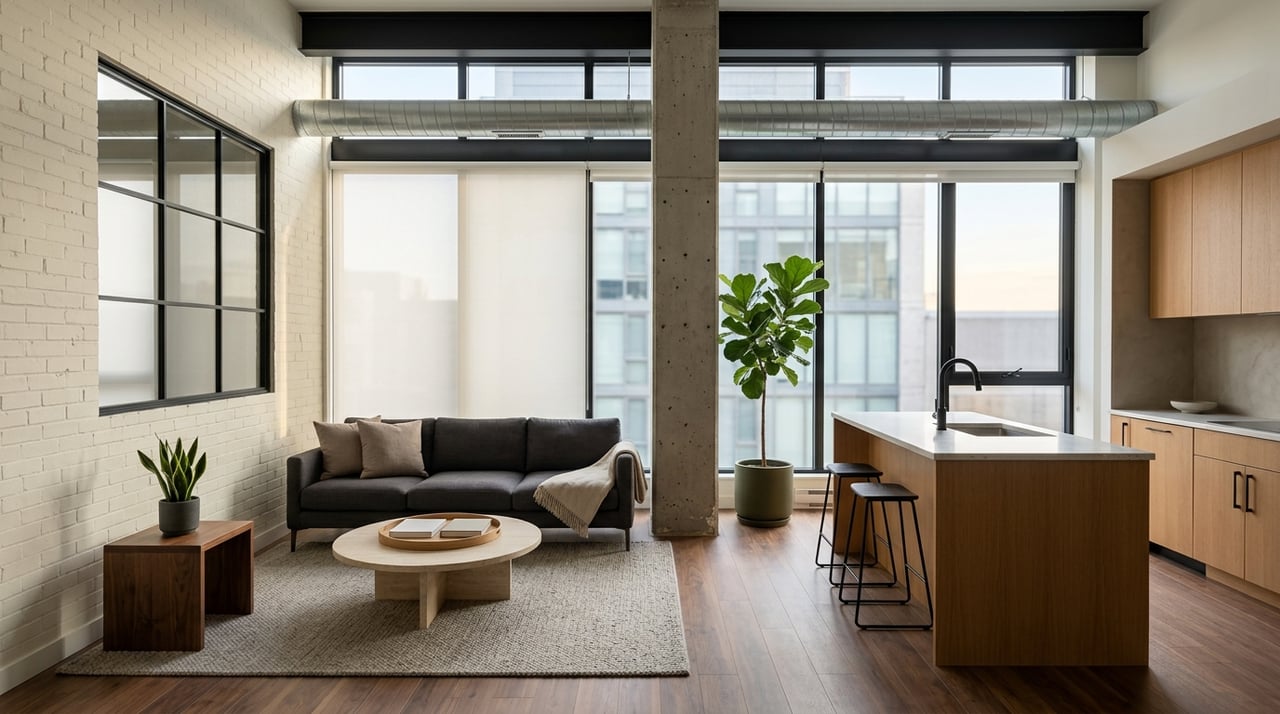
South Loop’s loft identity is not a branding concept. It is tied directly to the neighborhood’s history, especially in areas like Printer’s Row.
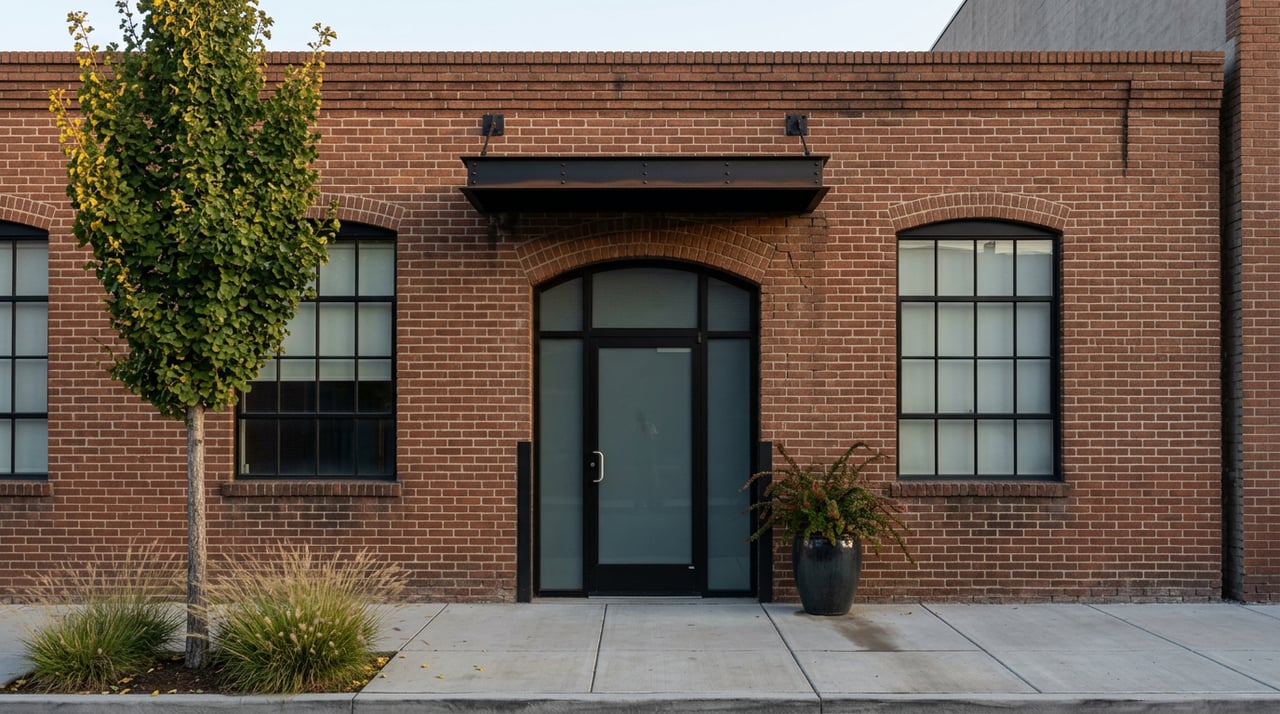
WTTW notes that Printer’s Row was once a major printing district connected to nearby rail stations. After decline and abandonment, some of those buildings were converted into apartments during urban renewal, and many former printing plants are now residential lofts.
That story helps explain why South Loop still feels different from neighborhoods made up mostly of newer towers. Even where new construction has changed the skyline, the adaptive reuse of older buildings gives the area texture and character.
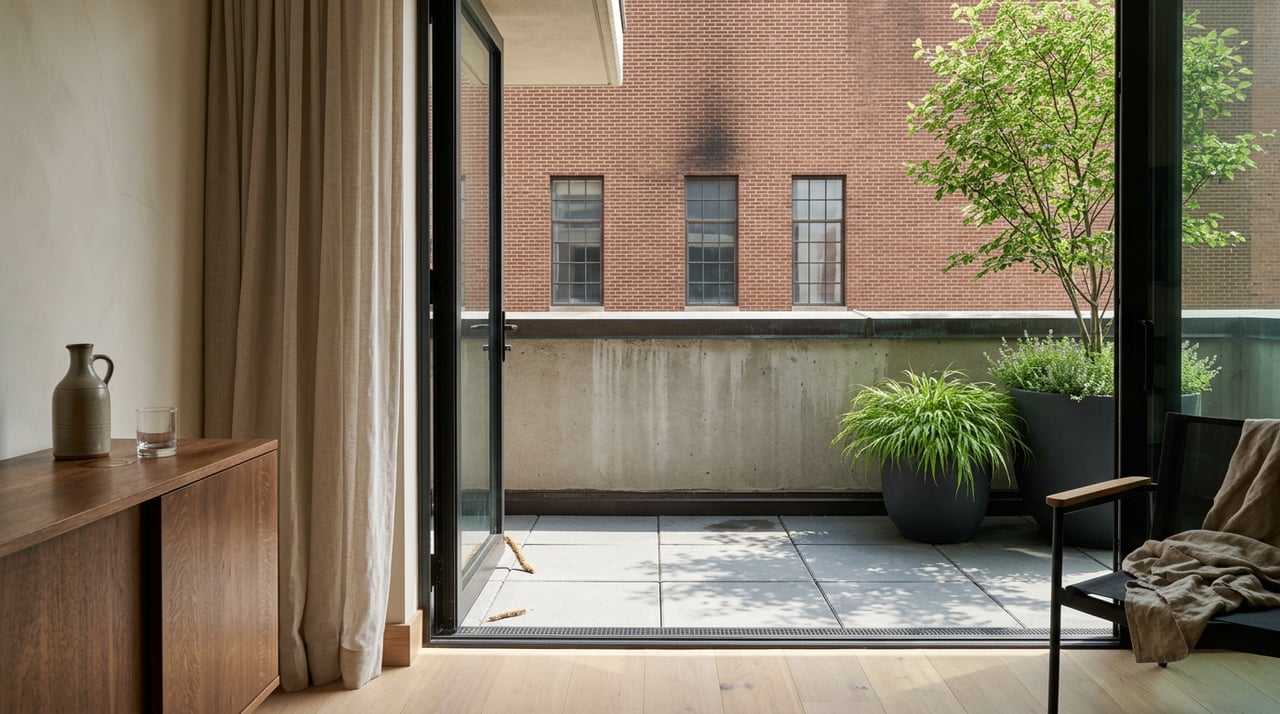
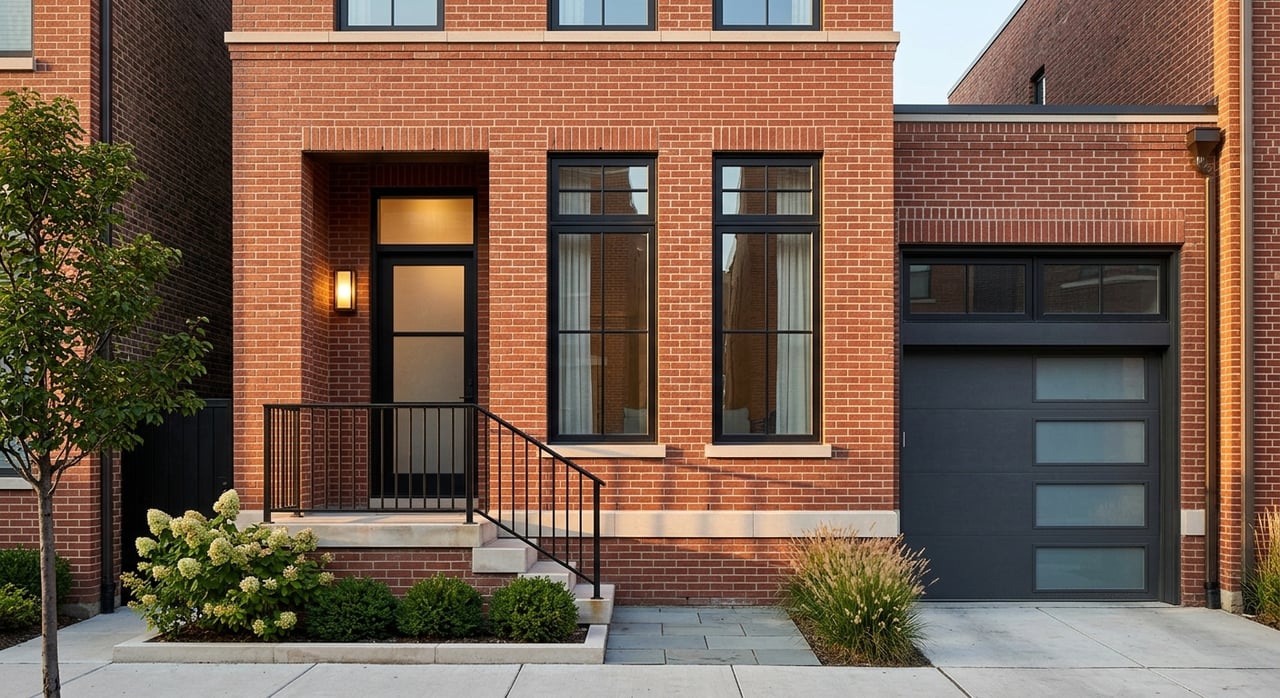
In South Loop, loft-style living often means a home with a sense of history in a neighborhood that still feels current. Buyers are often drawn to the contrast between industrial-era architecture and modern residential updates.
At the same time, South Loop is not limited to lofts. WTTW also points to chic high-rises, townhomes, shopping, and restaurants spreading across the neighborhood, which means you can find a broader housing mix than the loft label alone suggests.
South Loop appeals to buyers for more than one reason. Its draw comes from how several lifestyle features work together rather than from a single headline amenity.
Common housing options in South Loop include loft conversions, condo towers, and townhomes. Historic buildings remain visible in areas like Printer’s Row and Prairie Avenue, while newer development adds a more modern inventory choice.
That variety can be helpful if you want flexibility in your search. You may be choosing between architectural character, newer finishes, building amenities, or a specific type of floor plan.
South Loop is often a strong fit for buyers who want low-maintenance urban living in a walkable setting. Based on the neighborhood’s housing mix, transit access, lakefront location, and cultural assets, it offers downtown convenience without feeling purely commercial.
That balance is a big part of its appeal. You are close to major attractions and business districts, but the neighborhood also has its own residential identity shaped by historic districts, public art, and everyday access to the lakefront.
South Loop can feel both residential and visitor-oriented, and that combination is important to understand. The neighborhood is anchored by museums, the lakefront, and historic districts, but it also functions as a true residential area with a growing housing base.
In practical terms, daily life often means having parks, dining, murals, transit, and major attractions close at hand. It can also mean living near large venues like McCormick Place and Soldier Field, which contribute to the energy and pacing of the area.
For some buyers, that rhythm is exactly the point. If you want a neighborhood with movement, architecture, culture, and access built into your routine, South Loop offers a compelling mix.
If you are considering a move to South Loop and want guidance on condos, lofts, or the neighborhood’s different residential pockets, Rhonda Hoff offers experienced, personalized support rooted in deep Chicago market knowledge.
Stay up to date on the latest real estate trends.
Rhonda is committed to providing exceptional service, personalized attention, and delivering outstanding results. Contact her today to get started on your journey toward finding your dream home, selling your property, or securing the perfect rental in Chicago.